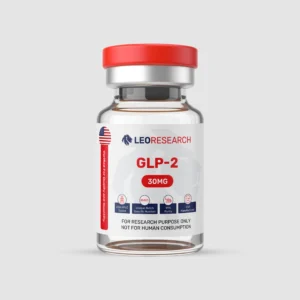
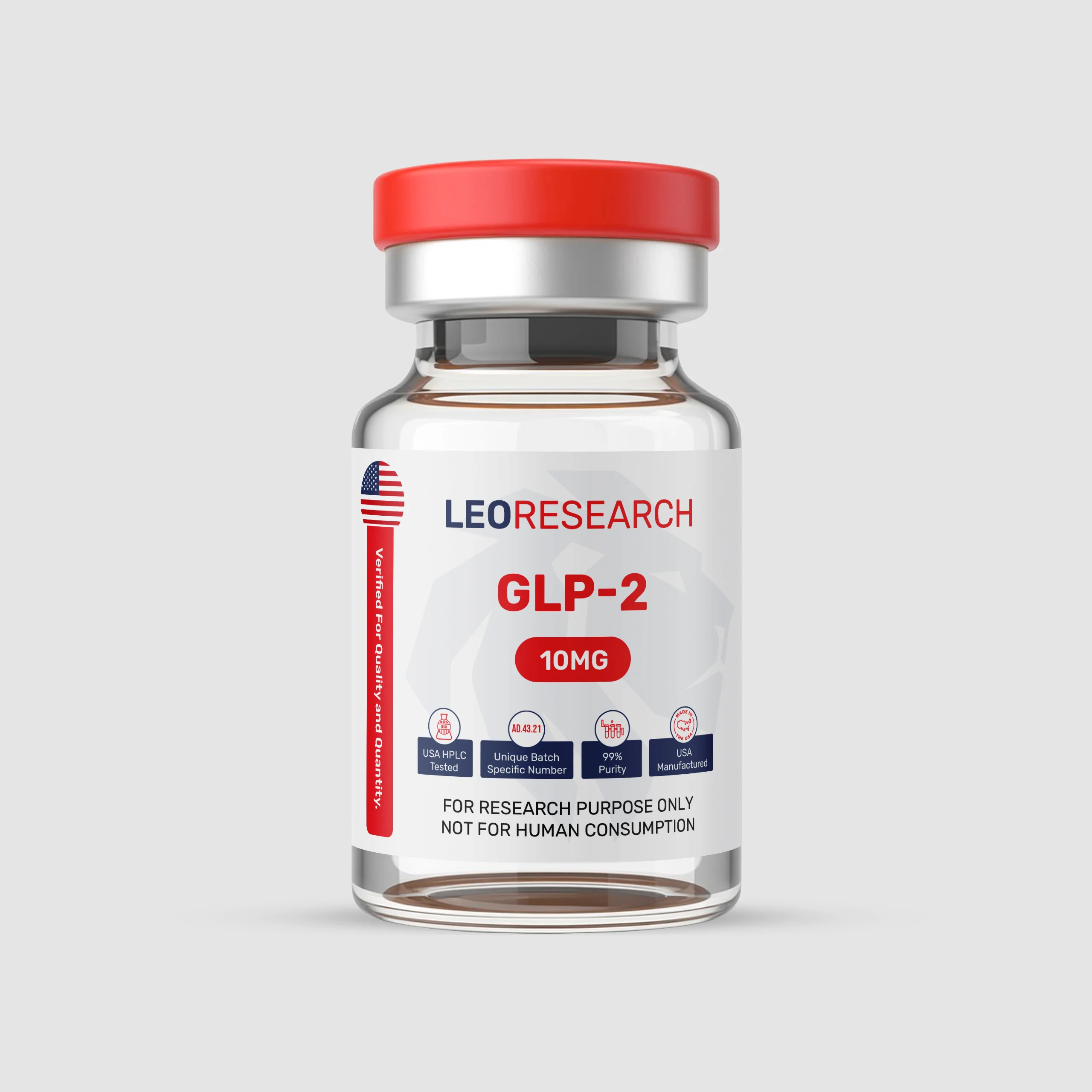
GLP-2 10mg
$69.99
GLP-2 is a designer hybrid GLP-1/GIP dual-receptor agonist analogue formulated at 10mg for preclinical investigation of simultaneous glucagon-like peptide-1 and glucose-dependent insulinotropic polypeptide receptor co-activation.
17 in stock
For laboratory and research use only. Not for human or veterinary use, consumption, or diagnostic purposes.
GLP-2 is a designer hybrid GLP-1/GIP dual-receptor agonist analogue formulated at 10mg for preclinical investigation of simultaneous glucagon-like peptide-1 and glucose-dependent insulinotropic polypeptide receptor co-activation. This dual-agonist design represents the next generation of incretin research pharmacology — engaging both the GLP-1 receptor (GLP-1R) and the GIP receptor (GIPR) to produce synergistic metabolic effects that surpass the efficacy profile of single-receptor GLP-1 agonism across multiple preclinical endpoints.
The GLP-1/GIP hybrid class emerged from the recognition that GIP receptor co-agonism potentiates GLP-1-mediated insulin secretion, adds independent adipocyte lipolysis modulation, and extends the metabolic benefit profile into fat tissue biology in ways that isolated GLP-1R agonism does not achieve. The 10mg concentration provides a practical research scale for mechanistic studies, dose-response characterization, and comparative efficacy investigations against single-receptor reference compounds.
Molecular Information
|
Class |
Designer Hybrid GLP-1 / GIP Dual Receptor Agonist Analogue |
|
Strength |
10 mg |
|
Primary Targets |
GLP-1 Receptor (GLP-1R) + GIP Receptor (GIPR) |
|
Receptor Selectivity |
Dual agonism — balanced GLP-1R and GIPR engagement |
|
Purity |
≥98% (HPLC) |
|
Appearance |
White lyophilized powder |
|
Storage Form |
Lyophilized peptide |
|
Storage Information |
Store in a refrigerated environment free of exposure to sunlight, moisture, or excessive heat. |
Mechanisms of Research Interest
GLP-1R agonism within the dual-receptor framework activates cAMP-PKA signaling in pancreatic beta cells to stimulate glucose-dependent insulin secretion, suppresses glucagon from alpha cells, delays gastric emptying, and modulates hypothalamic appetite circuits. These mechanisms replicate the well-characterized single-receptor GLP-1 pharmacology while serving as the primary driver of glycemic regulation.
GIP receptor co-agonism provides the key differentiating mechanistic layer. GIPR activation on beta cells amplifies glucose-stimulated insulin secretion beyond GLP-1R levels alone through independent cAMP pathway convergence. In adipose tissue, GIPR engagement modulates lipid uptake, storage, and lipolysis pathways — with preclinical evidence suggesting GIPR co-agonism shifts adipocyte biology toward more favorable lipid flux profiles. GIPR activation in bone has also been studied for its effects on osteoblast activity and calcium homeostasis. The combined receptor activation produces superior reductions in body weight, HbA1c, and hepatic fat content in preclinical obesity and diabetes models compared to GLP-1 single-receptor agonism.
Research Applications
GLP-2 10mg supports dual incretin receptor pharmacology investigation, comparative GLP-1 mono- vs. dual-agonism efficacy studies, obesity and type 2 diabetes research programs, adipocyte biology and lipid flux investigation, GIP receptor pharmacology, hepatic steatosis and NAFLD models, bone metabolism research, and advanced metabolic syndrome pathway studies requiring dual hormonal pathway modulation.
Quality Assurance & Supplier Commitment
We maintain longstanding relationships with leading peptide lyophilizers and raw material suppliers, selected through an exhaustive vetting process that evaluates manufacturing practices, analytical capabilities, and regulatory compliance. Our API sourcing protocol includes certificate of analysis review, third-party analytical testing, and periodic supplier audits to ensure consistent purity, potency, and sterility standards across all product lines.
Each batch undergoes meticulous quality control verification prior to release, including HPLC purity analysis, mass spectrometry confirmation, and endotoxin testing where applicable. Our commitment to sourcing integrity ensures researchers receive material of the highest available quality.